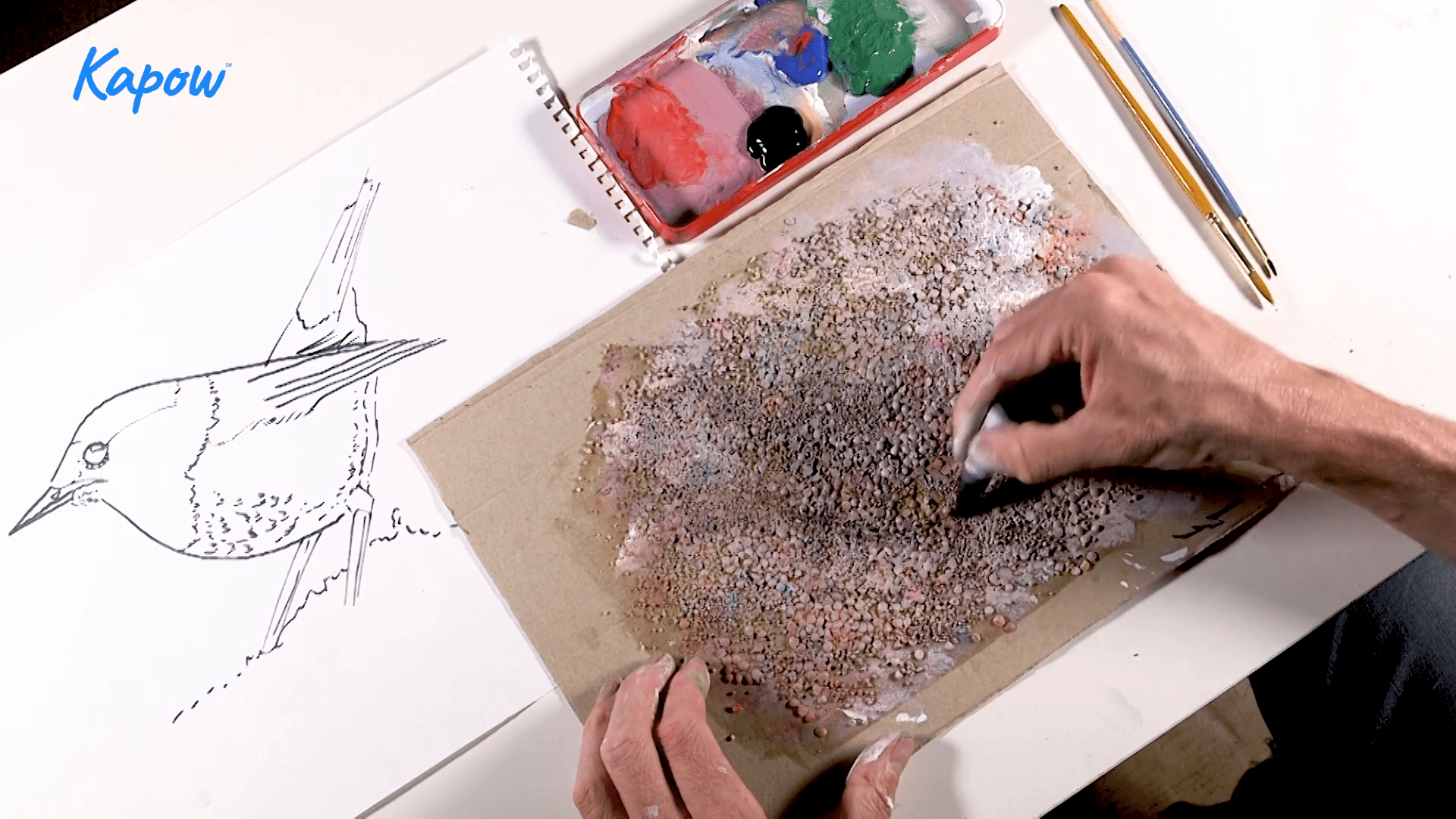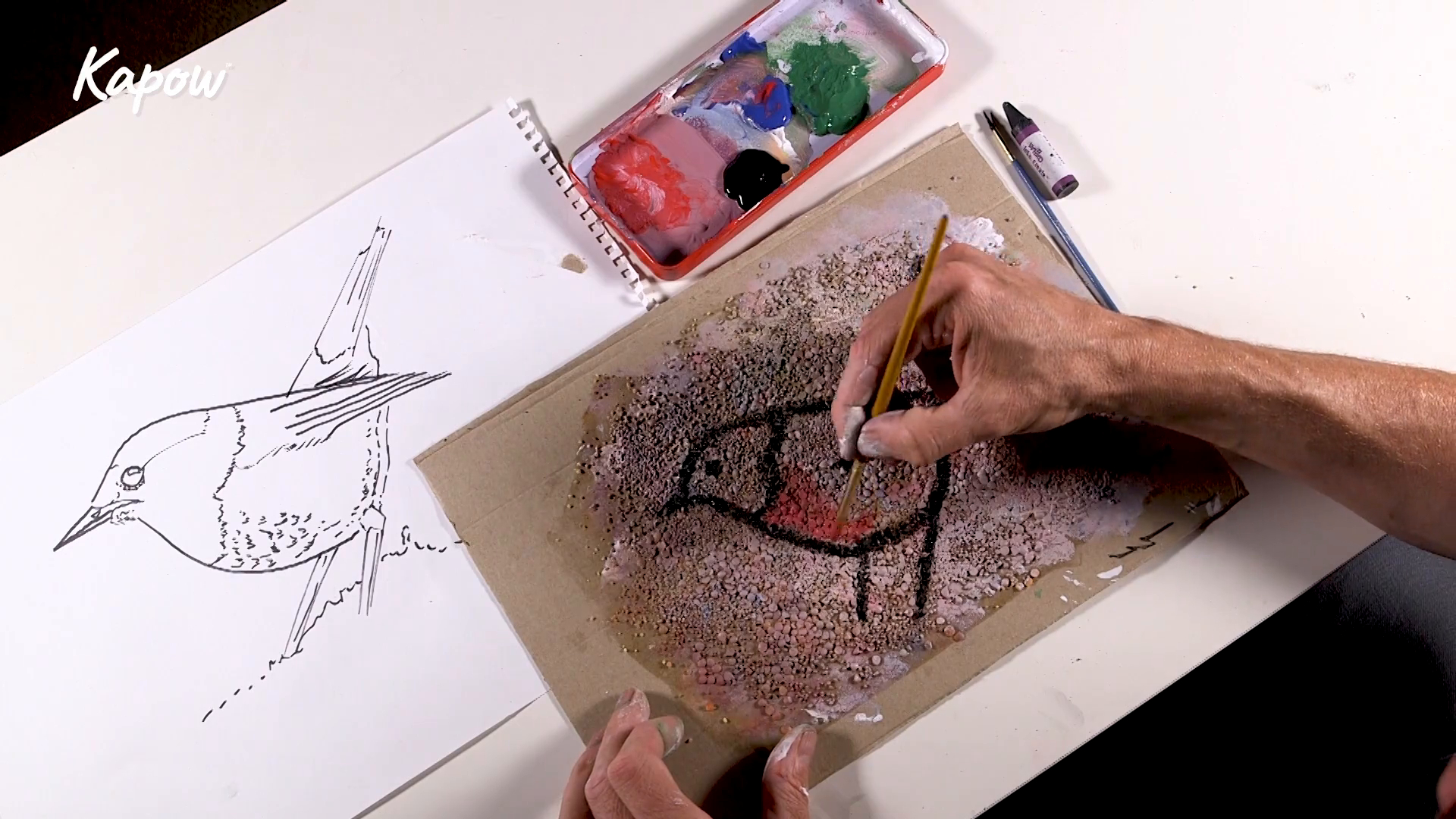
This Art and design video guides learners through the process of creating a prehistoric-style painting on a textured cave wall background. Pupils begin by redrawing their animal using a black crayon, then mix and apply colours inspired by natural pigments such as red ochre, burnt umber and charcoal. They practise painting in one direction, applying colour smoothly, and adding patterns or fur textures to bring their animal to life.
This video is part of Kapow’s Art and design resources, which support the Cambridge Primary Art & Design framework. As part of the Prehistoric painting unit, this lesson helps children develop control of painting techniques and use colour expressively.
Art and design, Stage 3, Unit 2: Painting and mixed media: Prehistoric painting, Lesson 4: Painting on the cave wall

This Art and design video explains how to guide children in creating prehistoric-style animal paintings on their textured cave wall backgrounds. It demonstrates how to copy animal sketches in crayon, mix a Stone Age-inspired colour palette and paint smoothly to add patterns and detail.
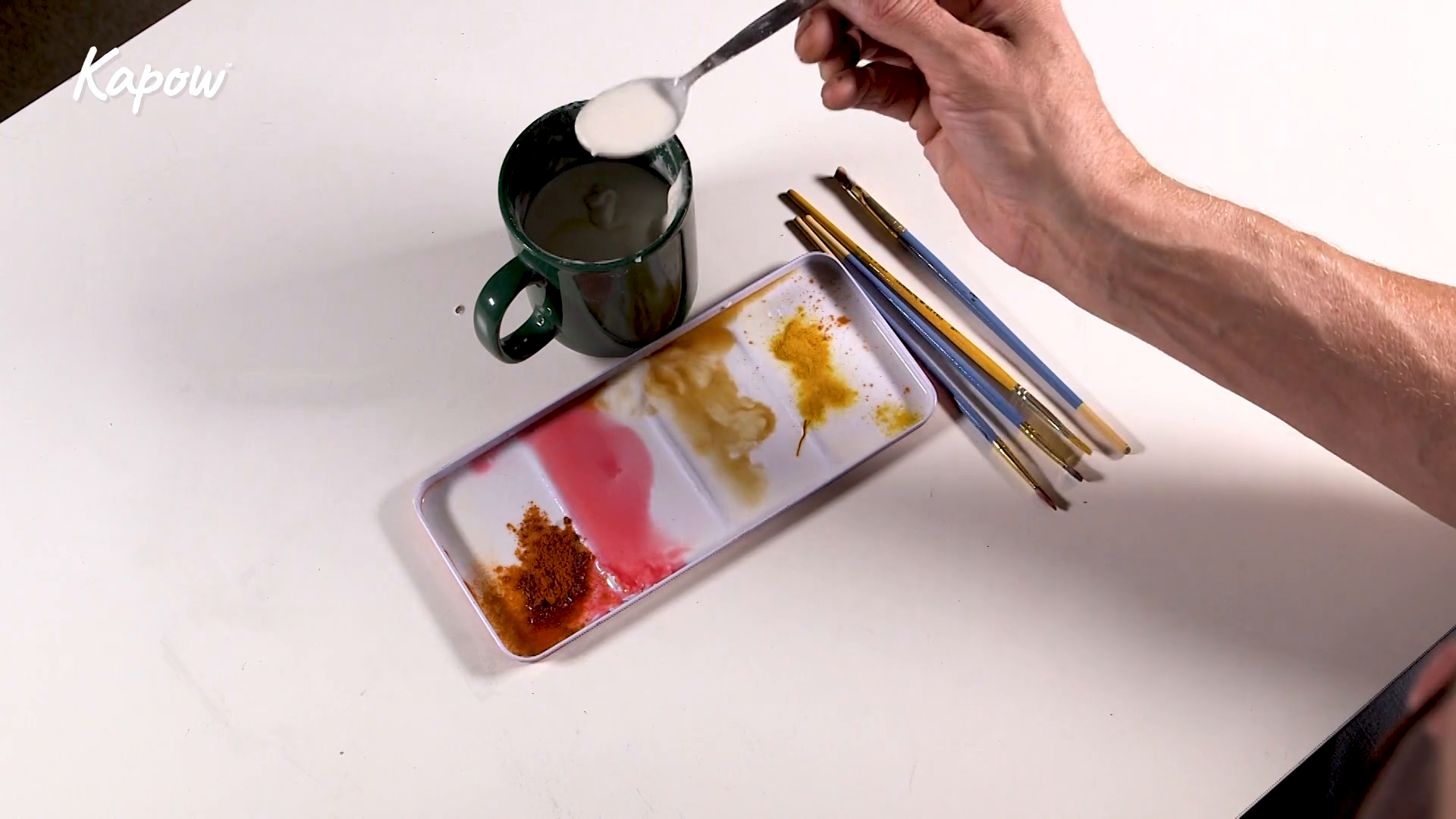
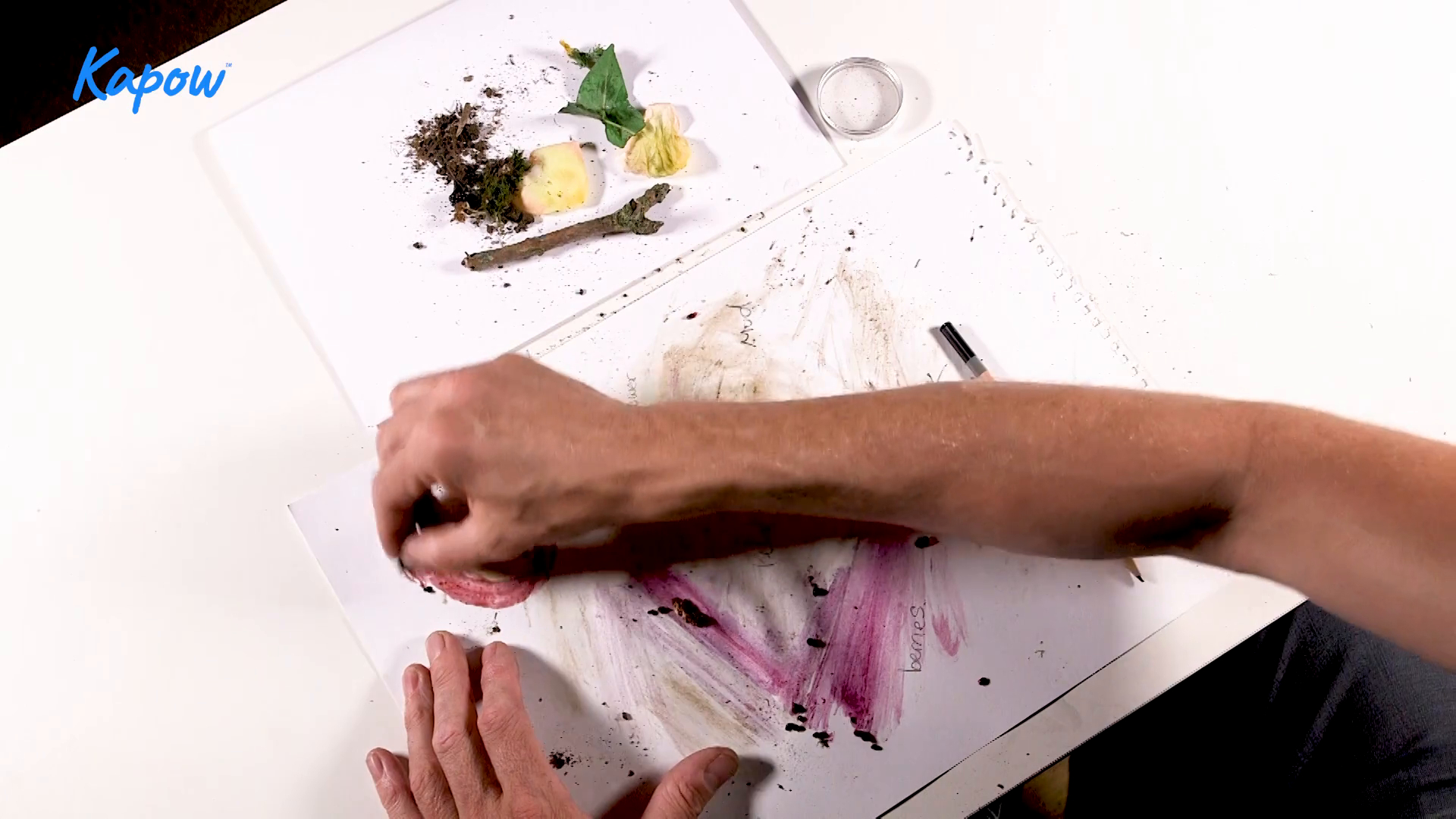
This Art and design video shows children how to experiment with natural materials to make marks and mix their own paints using flour, water, and pigments like spices or charcoal. They create textured cave wall backgrounds with glue and grains, then paint them with symbols and shapes using their handmade colours.
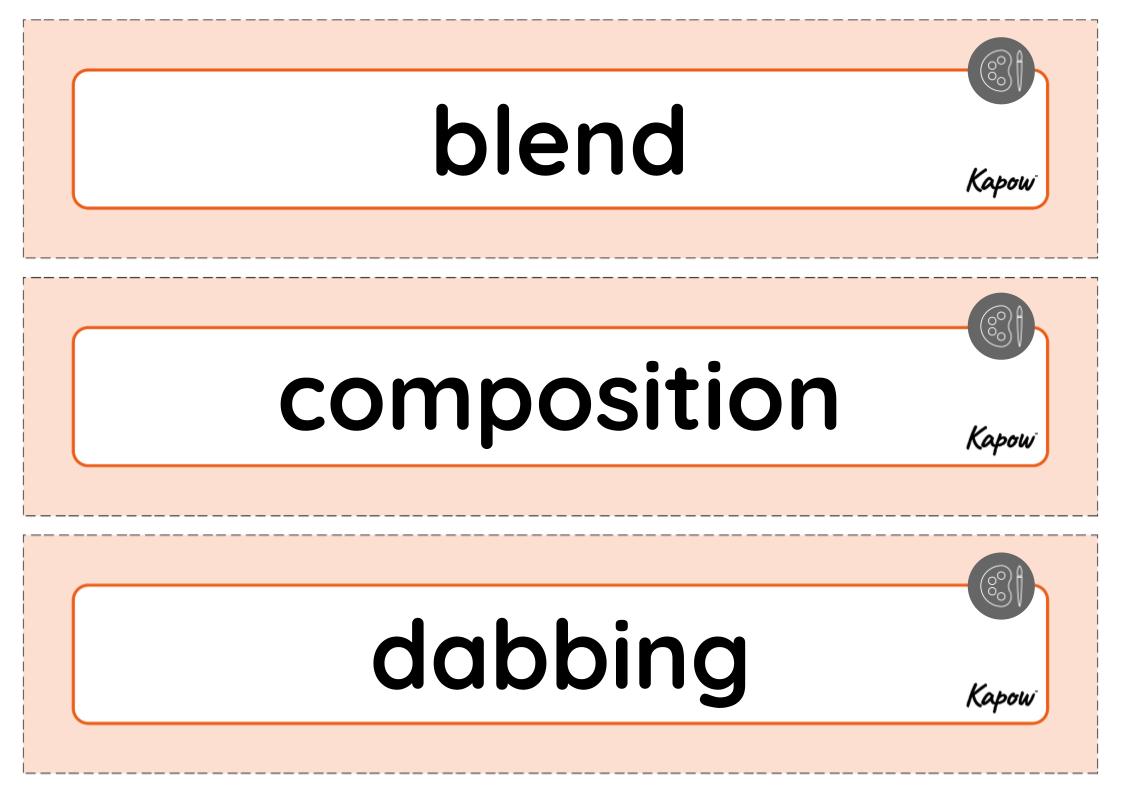
This unit vocabulary includes keywords from the Stage 4 unit Painting and mixed media: Light and dark and additional unit-specific words that may be helpful in a display.
This Art and design video explores how to guide children in making their own paint using natural materials like spices, charcoal and leaves, just like prehistoric artists. Learners explore colour and mark-making, then create a textured cave wall effect using food items and glue to paint symbols and shapes with their handmade paints.
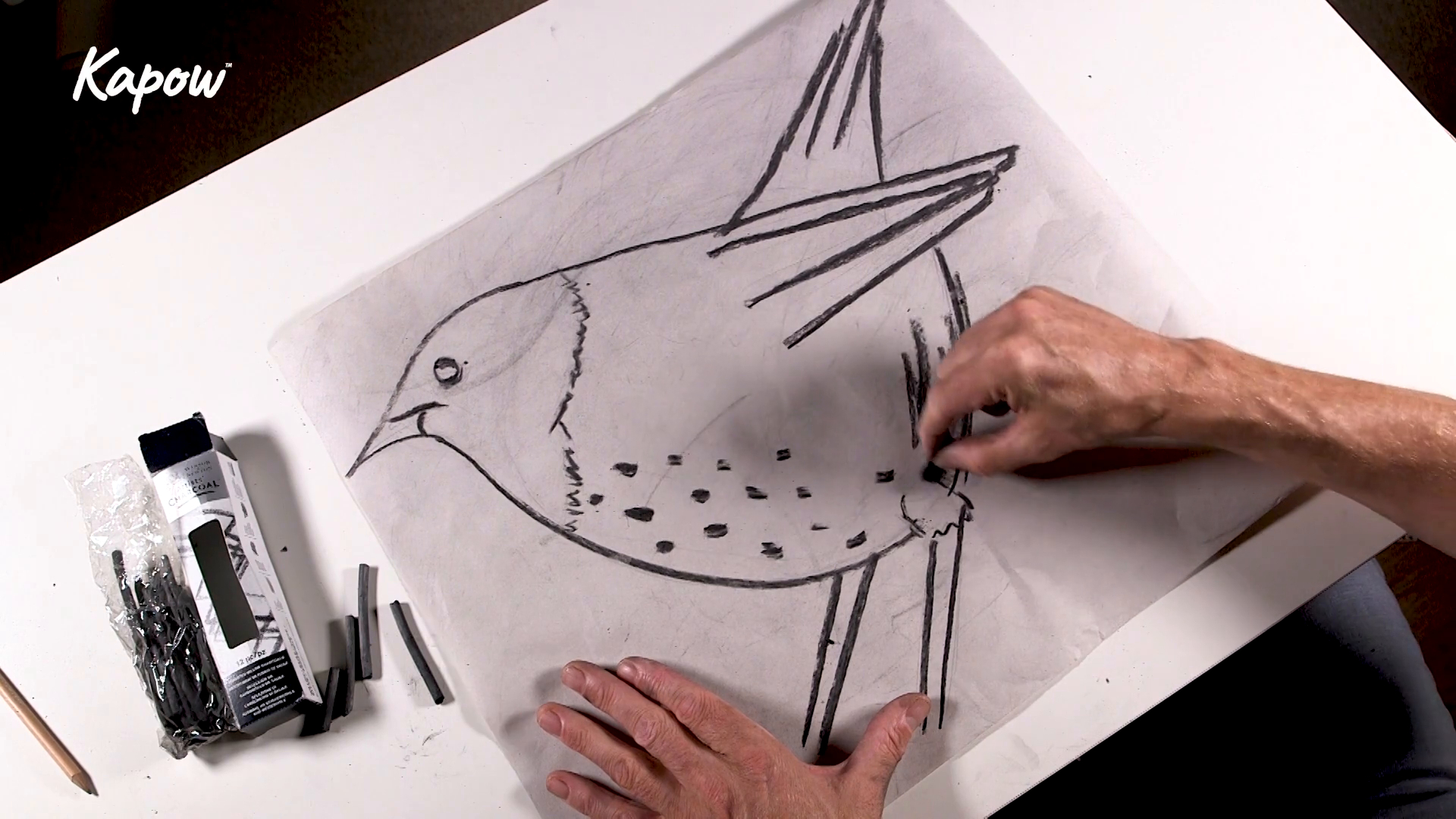
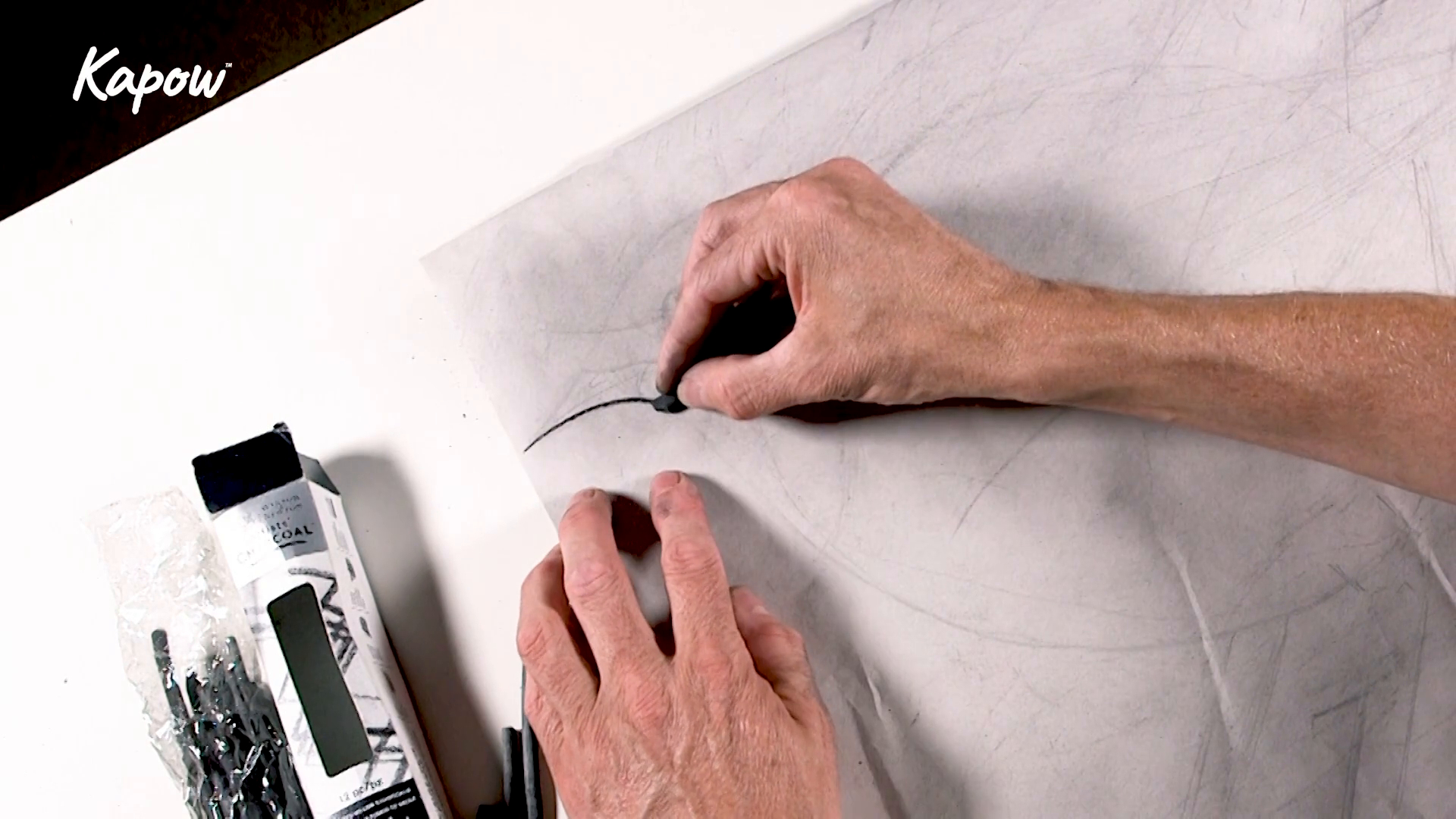
This Art and design video introduces learners to drawing with charcoal, one of the oldest art materials. Children learn how to scale up their animal sketches, apply charcoal dust to create textured backgrounds and use charcoal sticks for bold outlines and shading.
This Art and design video explains how to teach children how to recreate their prehistoric-style animal drawings on a larger scale using charcoal. They learn about scaling, adding texture with charcoal dust and creating tone by blending with fingers or paper. Pupils finish their pieces with bold outlines and simple decorative marks, echoing prehistoric cave art.
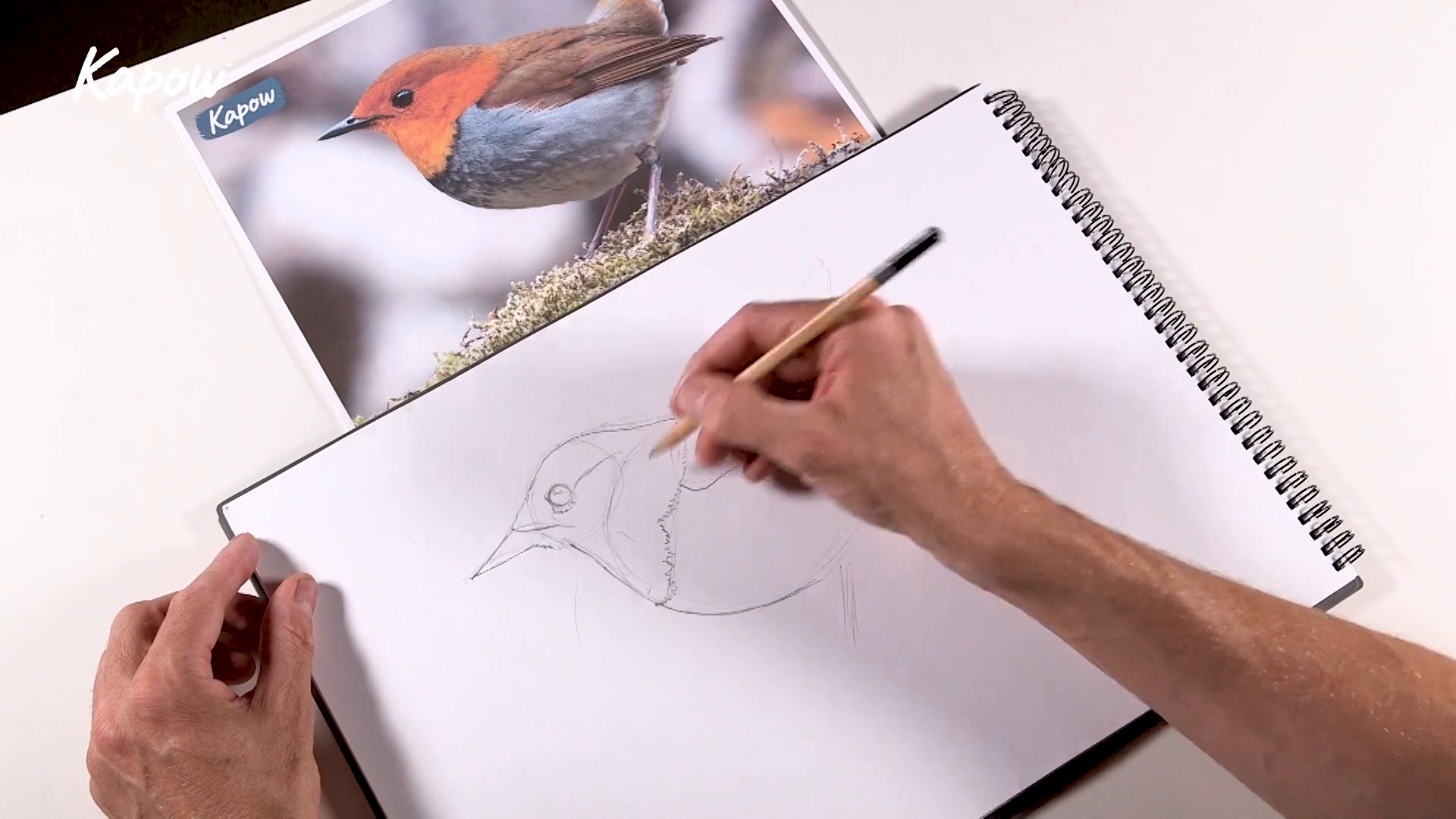
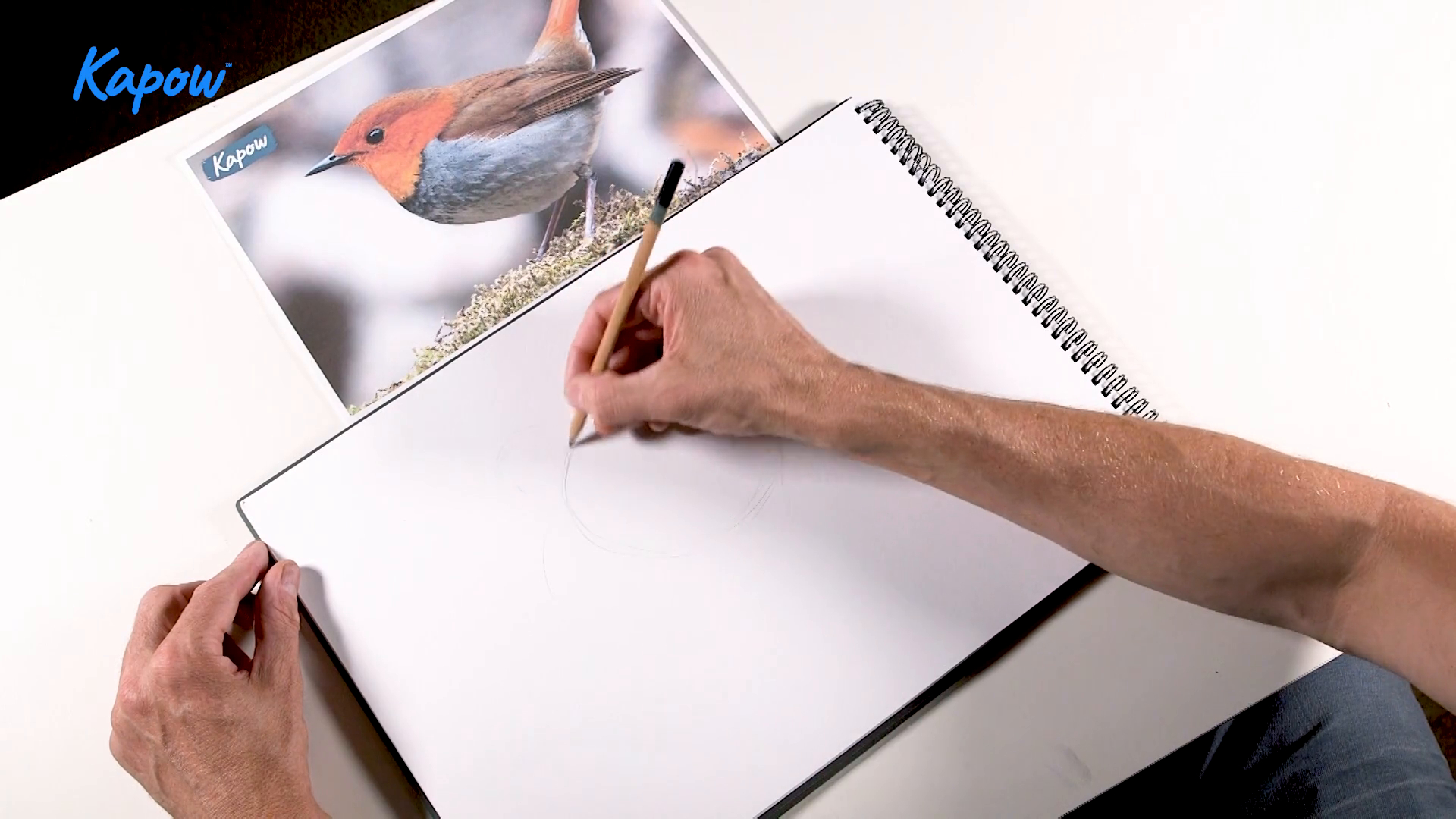
This Art and design video guides learners in drawing animals inspired by prehistoric cave paintings. Children learn how early humans used simplified shapes and bold outlines to represent animals. They sketch familiar creatures in their visual journals, add simple marks to suggest texture and go over their outlines using a black pen or crayon.
This Art and design video explains how to introduce children to prehistoric art by exploring how early humans used natural materials to create bold animal drawings on cave walls. Learners draw familiar animals using strong outlines and simplified features, emulating the techniques and style of ancient artists.