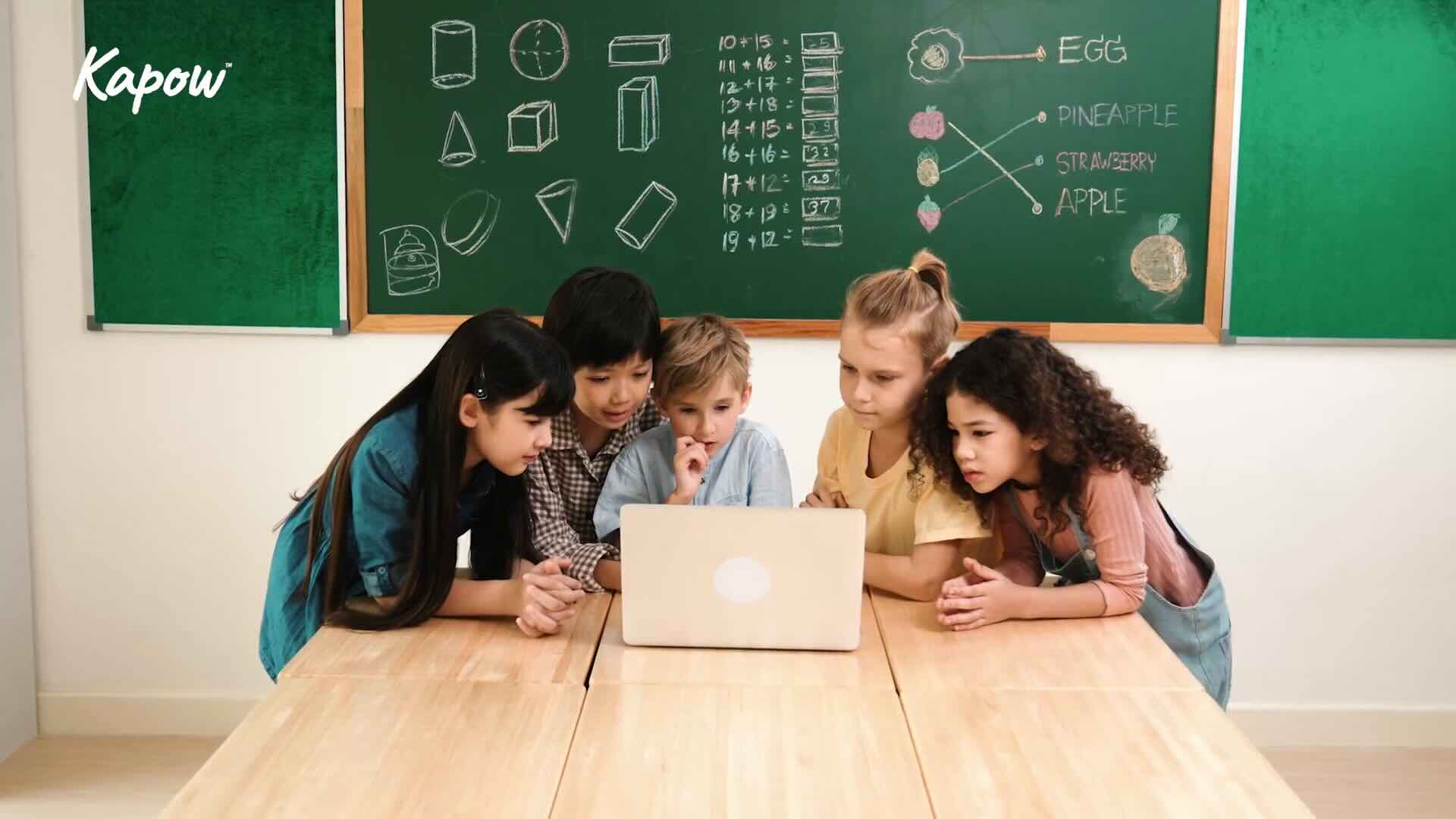
This video introduces teachers to the purpose and value of Kapow’s integrated projects, taught at the end of each stage of the Computer Science curriculum. By the time learners reach these units, they have developed key computing knowledge and skills, and the integrated projects give them the opportunity to apply this learning in new and engaging contexts.
year: Stage 3
Teacher video: Scratch motion detection
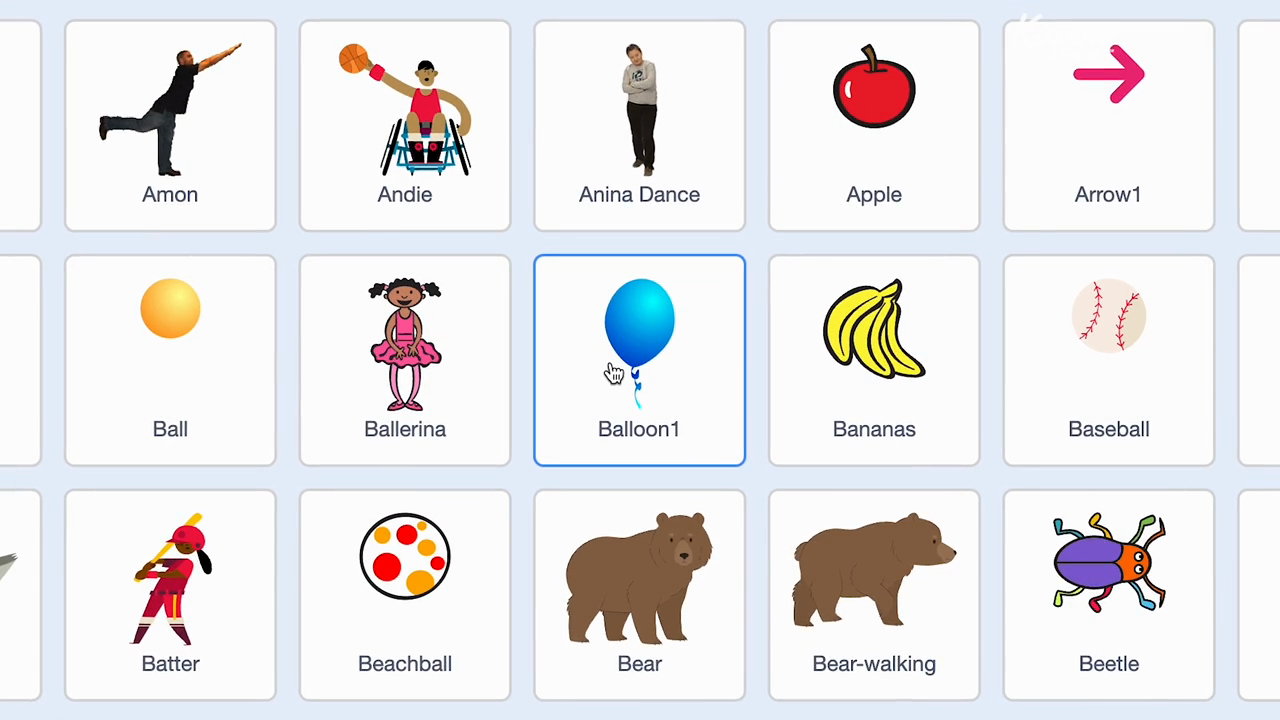
This video models for teachers how children can create their own motion detection game using Scratch.
Teacher video: Move
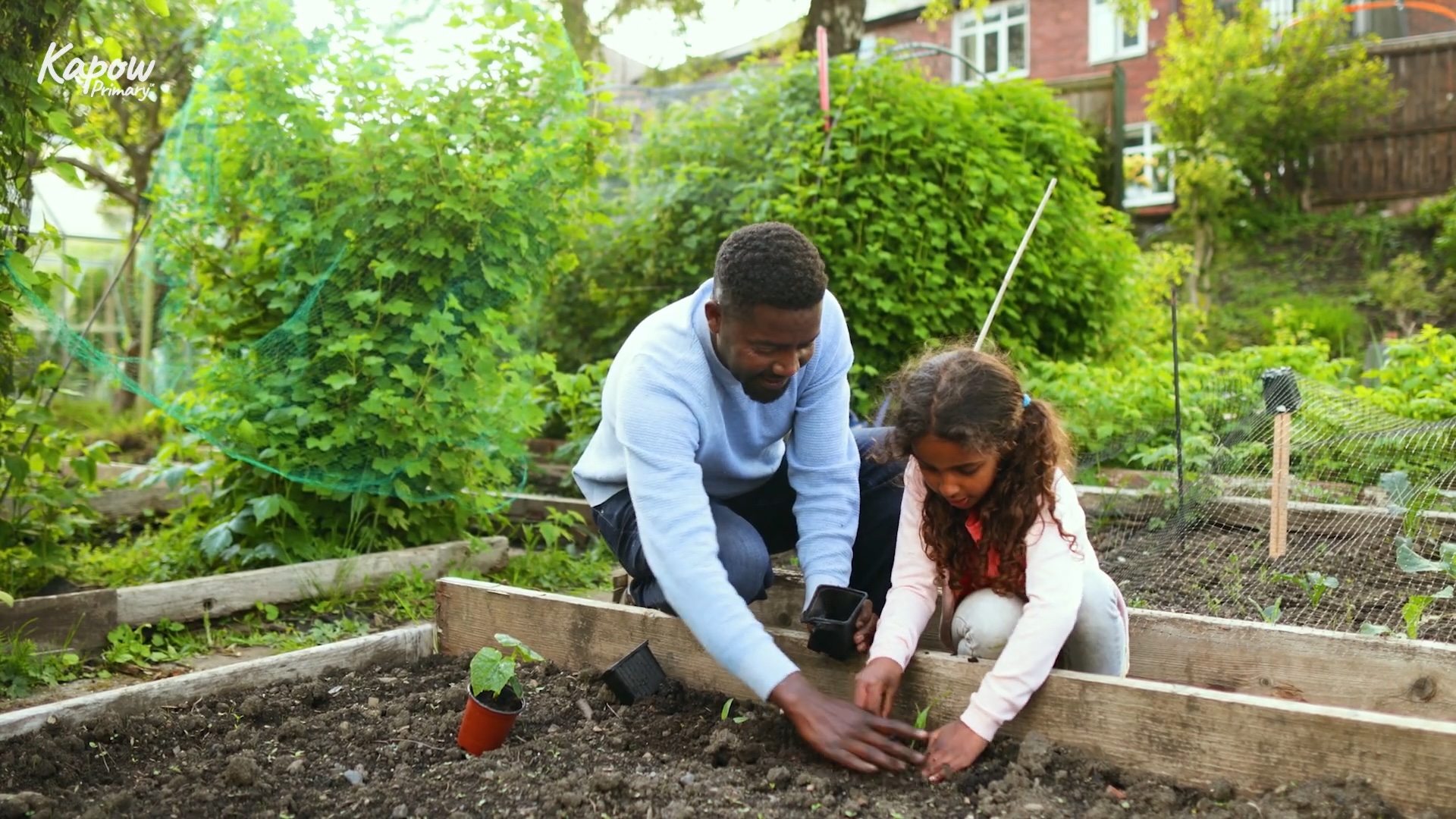
This video explores the Move strand, which focuses on breaking down barriers and showing that being active is inclusive and enjoyable for everyone. Lessons empower children to make positive choices about movement, challenge misconceptions about exercise and, most importantly, have fun.
Teacher video: Give
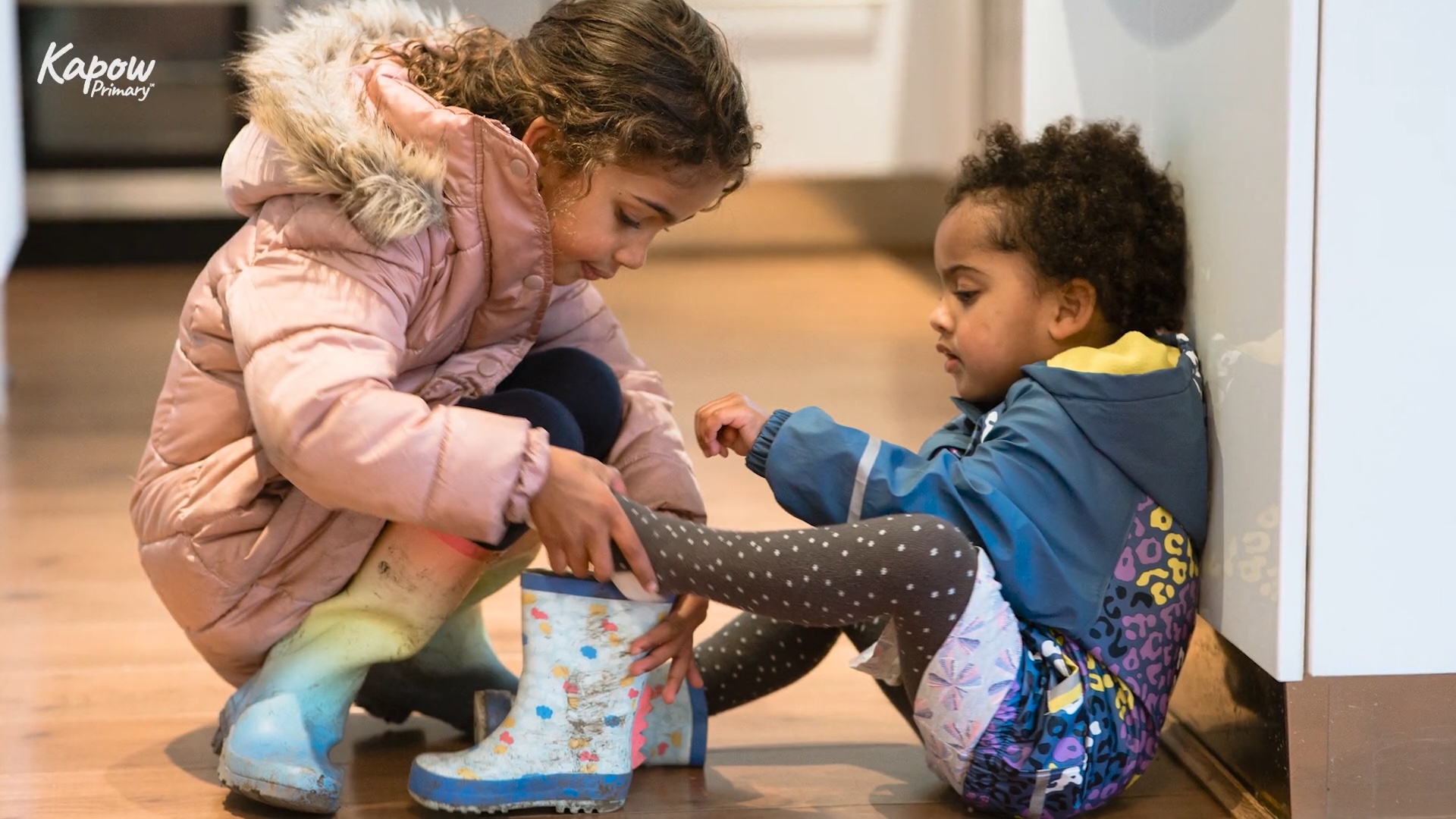
This video explores the Give strand, which focuses on how giving to others, the community or the environment can improve personal wellbeing. Children learn that giving creates positive feelings, builds self-worth and helps form strong connections with others.
Teacher video: Connect
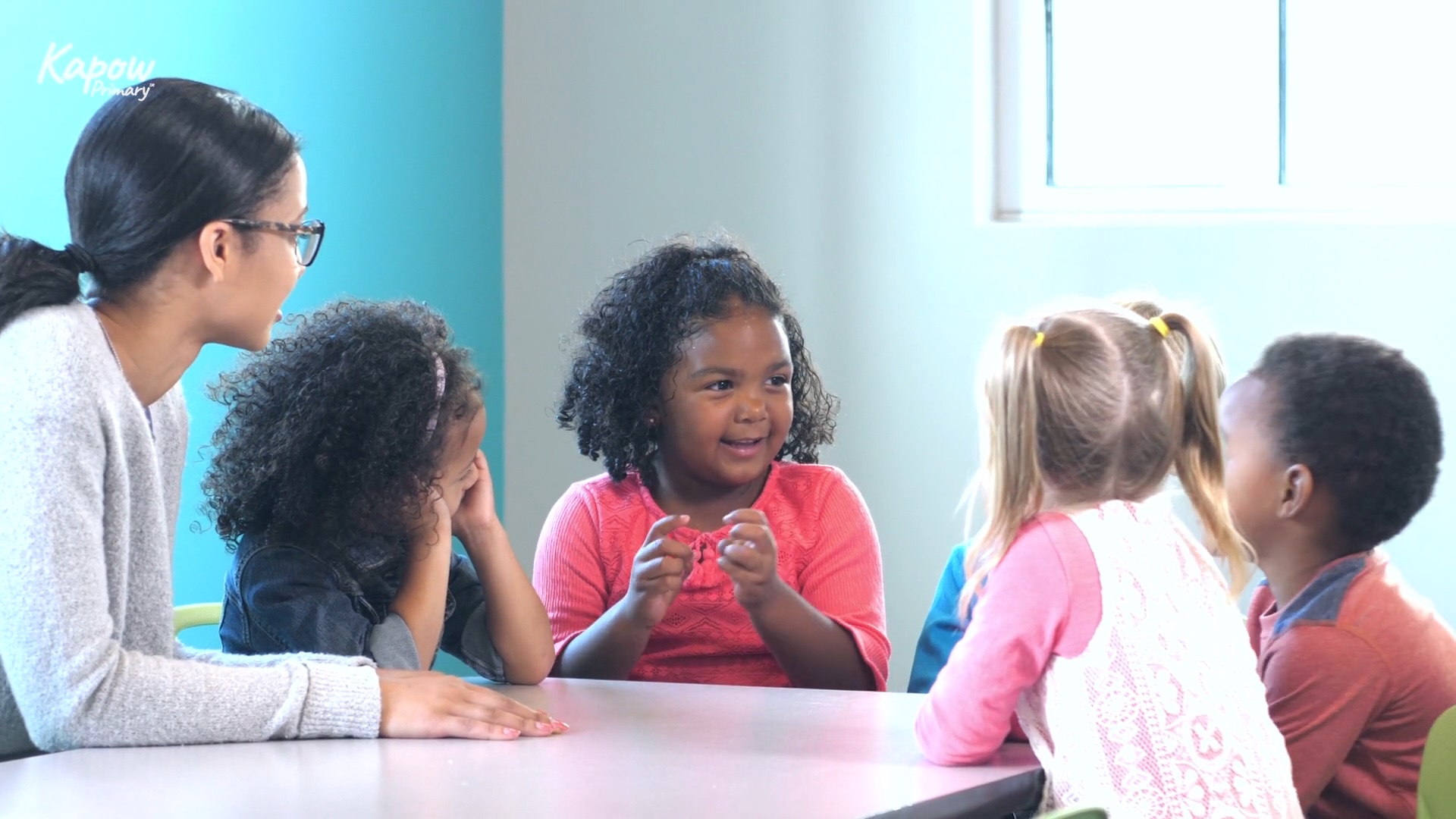
This video explores the Connect strand, which focuses on building and maintaining positive relationships to support mental health and happiness. Children learn how connecting with others helps them feel valued, supported and part of a community.
Teacher video: Take notice

This video explores the Take Notice strand, which focuses on being aware of the present moment. This means noticing our surroundings, feelings and thoughts.
Teacher video: Discover

This video focuses on the Discover strand, which is about finding out or trying something new. Discovering helps build confidence, self-esteem and a sense of purpose, while encouraging perseverance and a growth mindset.
Introduction to Cambridge Primary Art & Design
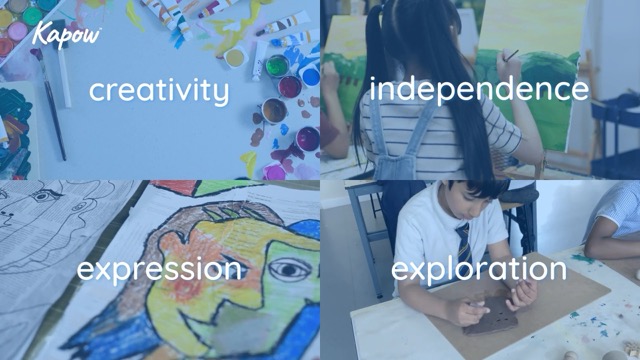
The Kapow Art and Design scheme is built on the belief that art is more than a subject—it’s a way of thinking, exploring, and expressing. Fully aligned with the Cambridge Primary Art and Design curriculum, it emphasizes creativity, independence, expression, and exploration.
The scheme includes detailed lesson plans, interactive presentations, learner and teacher videos, printable materials, and examples of artists from diverse cultures and time periods. Learners engage in experimenting, making, reflecting, and thinking artistically, which mirrors how real artists work.
Through this process, children develop confidence, problem-solving skills, innovation, and self-expression. Teachers are supported with flexible resources, guidance notes, and assessment tools, encouraging adaptability to different contexts.
Ultimately, Kapow’s approach nurtures resilient, reflective, and creative learners who think and work like artists.
Getting started with Kapow

This video introduces teachers to Kapow, offering a guided overview of how to navigate the website and access key features. It demonstrates how to find and use subject pages, unit hubs, lesson plans and presentations, as well as how to personalise teaching and stay up to date with evolving resources. The video aims to help teachers feel confident and supported in using Kapow’s planning tools and classroom materials.
