


Learning intention
- To explore different types of questions.
Success criteria
- I can tell the difference between questions that

We do not currently offer this subject
Cambridge Primary Computing (0059) Learning objectives
Managing data
2MD.05 Discuss the different
We do not currently offer this subject
Before the lesson
We do not currently offer this subject
Lesson plan
Recap and recall
Show the Presentation: True or false? Read out the slide and enlarge the data table. In pairs, learners discuss their answer. Take feedback.
This content is for subscribers only. Join for access today.
Extended-mode explainer videos
How to extend your display to view the lesson page and preseantion mode simultaneously. Choose your operating system below to watch the video
If you need further support with extending your display,
please contact [email protected].
Differentiation
Learners needing support:
- Could work with a reduced set of cards (for example, 3–4 questions instead of the full set).
- Could sort questions referring to the question: ‘Is it about one person or thing, or lots of people or things?’
Learners working at a stretch:
- Should justify their classification of question types using full sentences and examples.
- Could write some example responses and provide feedback to pairs during the question swap in Main event.
We do not currently offer this subject
Assessing progress and understanding
Learners with secure understanding can:
- Sort example questions correctly into statistical
We do not currently offer this subject
Vocabulary definitions
-
count
Find out how many there are.
-
non-statistical question
A question that gives ideas, feelings or explanations we cannot count.
We do not currently offer this subject
In this unit
Lesson 1: Zoo data

Lesson 2: Picture data
Lesson 3: Our favourite places
Lesson 4: Presenting data
Lesson 5: Choosing the right question

Maintained by: Kapow Primary team
Last update: 7th January, 2026

Lesson 3: Our favourite places
Completing a class survey on favourite places, collecting and recording data using computers.
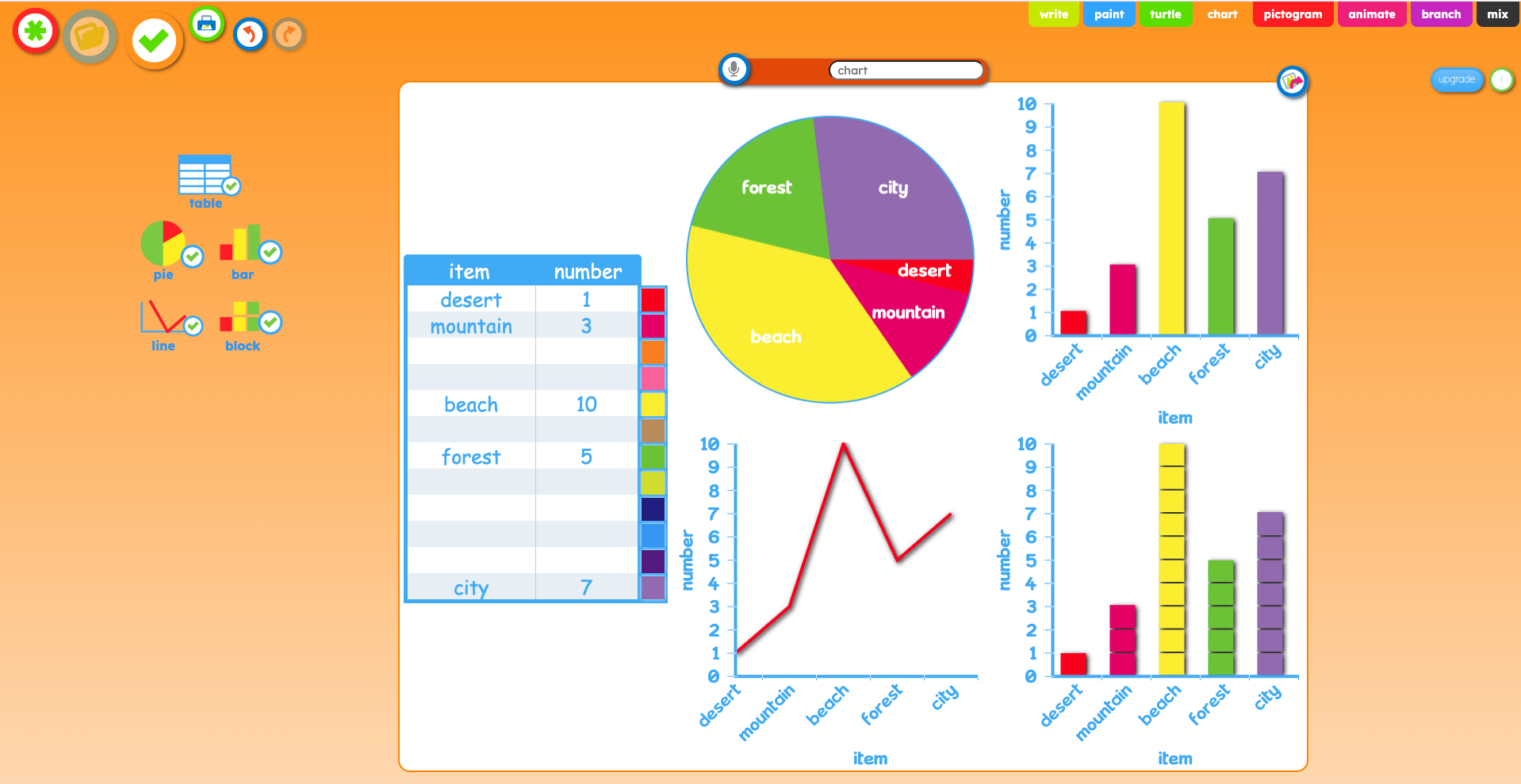
Lesson 4: Presenting data
Using digital media to present whole class data on favourite places.
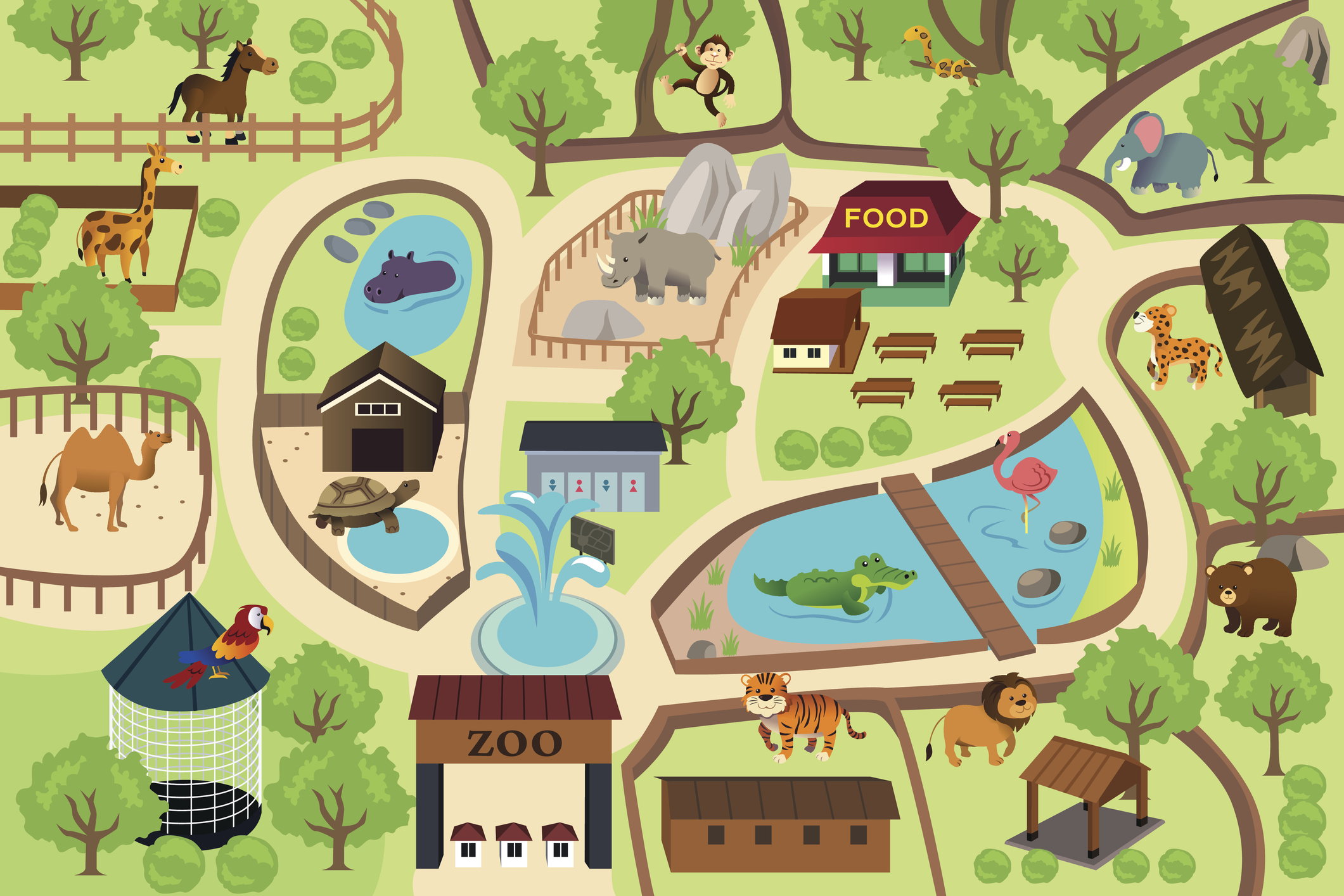
Lesson 1: Zoo data
Introducing the term 'data' through an animal-themed activity that involves identifying the number of animals...
Lesson 2: Animal pictograms
Using online software to represent categorical data about zoo animals; creating a pictogram.
