


Learning intention
- To write an algorithm for my robot to do its job.
Success criteria
- I can break the robot’s job into small

We do not currently offer this subject
Cambridge Primary Computing (0059) Learning objectives
Computational Thinking
2CT.03 Know that an
We do not currently offer this subject
Before the lesson
We do not currently offer this subject
Lesson plan
Recap and recall
Show Presentation: What is an algorithm? Ask learners to discuss the questions on the slide with their partners.
This content is for subscribers only. Join for access today.
Extended-mode explainer videos
How to extend your display to view the lesson page and preseantion mode simultaneously. Choose your operating system below to watch the video
If you need further support with extending your display,
please contact [email protected].
Differentiation
Learners needing support:
- Could use the Activity: Writing an algorithm: support version to help them during the Main event, which shows the prompt questions at the point of use.
- Could record their algorithm orally rather than writing it down and record themselves doing this using a device if available.
Learners working at a stretch:
- Should include a command for something that might happen using ‘if’ and a command for something that will definitely happen using ‘when’.
- Could name the type of error they find as a missing step, wrong order, wrong command or unclear word and explain why it caused a problem for the robot.
We do not currently offer this subject
Assessing progress and understanding
Learners with secure understanding can:
- Break their robot’s job into small, clear steps
We do not currently offer this subject
Vocabulary definitions
-
algorithm
A set of steps to solve a problem or complete a task.
-
commands
A single instruction given to a computer to perform an action.
We do not currently offer this subject
In this unit
Lesson 1: How robots work

Lesson 2: Data for decisions
Lesson 3: Designing a robot
Lesson 4: Programming Bee-Bots
Lesson 5: Robot algorithms

Maintained by: Kapow Primary team
Last update: 30th December, 2025

Lesson 2: Data for decisions
Collecting data to decide which type of robot to design.
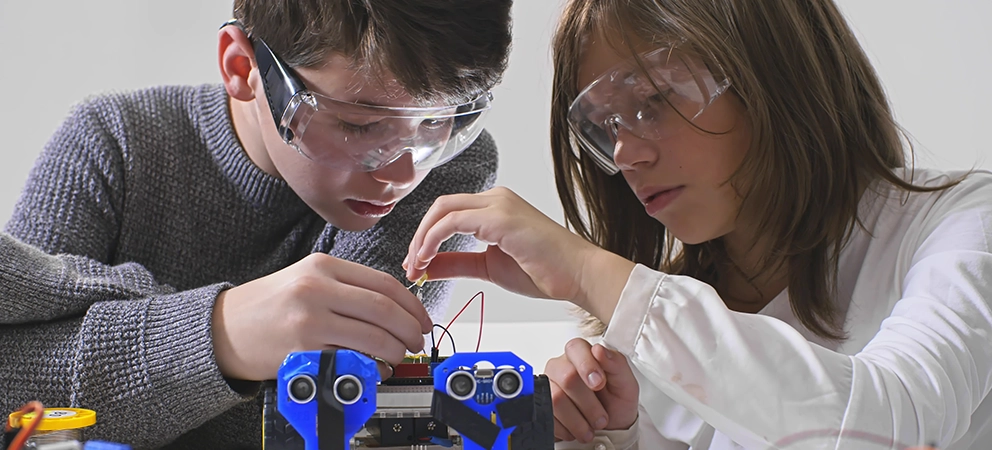
Lesson 3: Designing a robot
Designing a robot with the right shape, size and parts for its job.

Lesson 1: How robots work
Identifying jobs robots do and different input and output devices they use to help them...
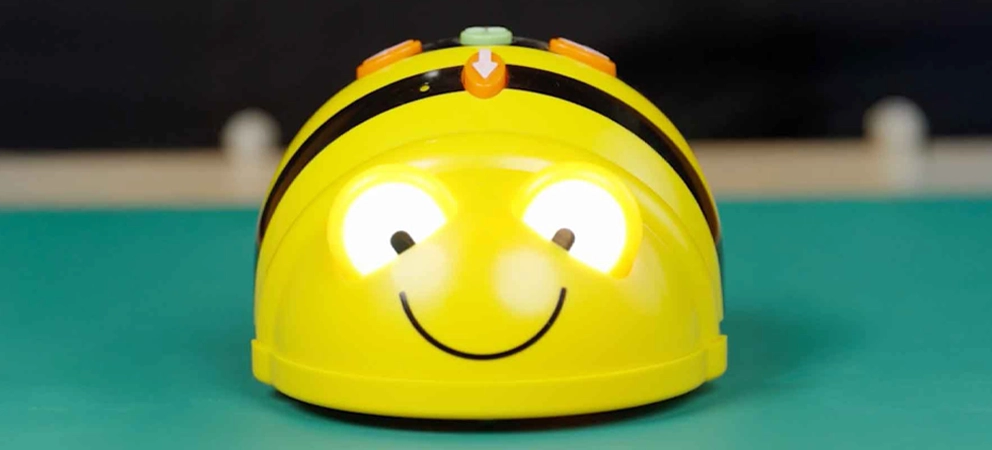
Lesson 4: Programming Bee-Bots
Turning algorithms into commands to program a Bee-Bot.
