


Learning intention
- To listen respectfully when others are speaking.
Success criteria
- I can describe different ways of actively listening.
- I

We do not currently offer this subject
Before the lesson
We do not currently offer this subject
Lesson plan
Recap and recall
Play ‘Simon Says’ with the class. Explain that they only do the action if “Simon says” comes before the command. If ‘Simon’ doesn’t say it, then they should not do the action. Play a few rounds, giving commands like, “Simon says touch your toes,” and occasionally giving commands without the “Simon Says” to see if…
This content is for subscribers only. Join for access today.
Extended-mode explainer videos
How to extend your display to view the lesson page and preseantion mode simultaneously. Choose your operating system below to watch the video
If you need further support with extending your display,
please contact [email protected].
Differentiation
Students needing additional support:
- Should have a handout or slide that has visuals with descriptions of what it means to actively listen (maybe shows eyes, ears, mouth, hands, feet, brain).
- Should have a listening buddy who can model good listening skills.
Students needing additional challenge:
- Should reflect on and describe what they notice when someone is actively listening.
We do not currently offer this subject
Assessing progress and understanding
Students with a good understanding will be able to:
- Explain what active listening
We do not currently offer this subject
Vocabulary definitions
-
reflect
To think carefully about something that happened.
-
respect
Treating people in a way that makes them feel cared for and important.
We do not currently offer this subject
In this unit


Maintained by: Kapow Primary team
Last update: 6th January, 2026
Introductory Lesson: Setting Classroom Rules
Creating classroom rules to build a safe, respectful, and supportive community.
Lesson 1: Listening to Feelings
Exploring and identifying the physical sensations associated with different feelings.
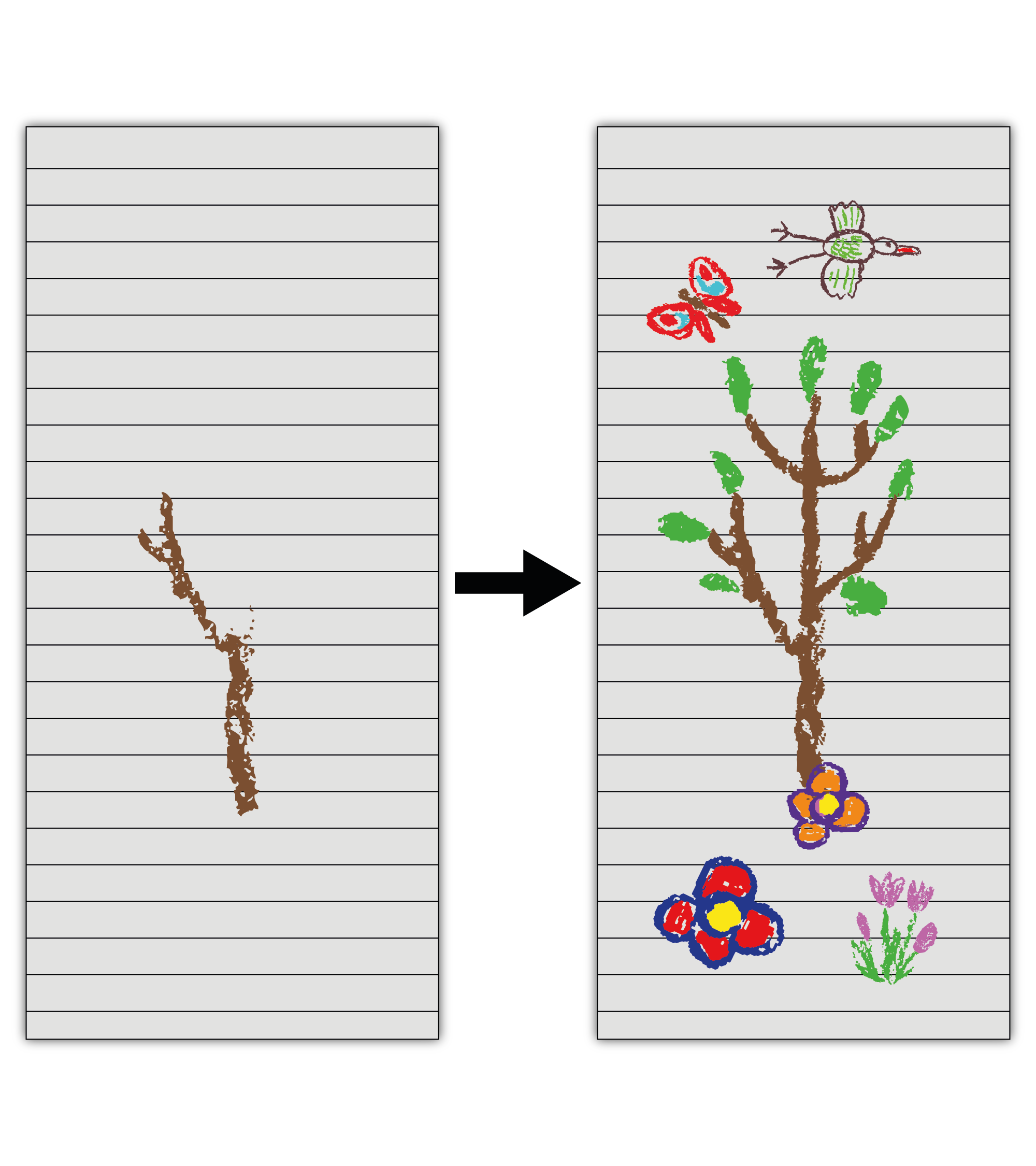
Lesson 5: Mistakes are okay
Learning that every time people make a mistake, they learn and grow.
Lesson 3: Communicating Feelings
Learning how to express their thoughts and feelings.
